

Advantages Checklist
eBacon's exclusive bona fide fringe trust is a proven money saving $$$ solution! See all the advantages...

Integrations
Supported Accounting Packages
API

Backhoe operator training and payroll requirements impact construction payroll. Backhoe operators are essential to construction sites, performing tasks like excavation, material handling, grading, and demolition. Proper training and certification not only improve site safety but also affect payroll classification, compliance with federal standards, and overall workforce effectiveness. Understanding what training and certifications are required helps HR and payroll teams manage operators accurately and stay compliant with OSHA regulations.
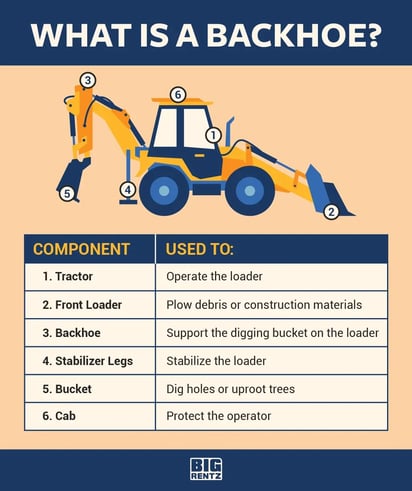
A backhoe is a versatile piece of heavy equipment that combines a front loader with a rear digging arm. It is used to dig trenches, move materials, break up small structures, and shape land on construction sites. Because backhoes perform multiple functions in a dynamic environment, operators must be trained to handle all aspects of its use, including safe operation around people, materials, and other machinery.
Training and certification are critical for several reasons:
Without proper training and certification, operators may be unprepared for hazards, and employers may face fines or liability issues.
Under federal construction safety rules, employers must ensure that operators of heavy equipment are qualified through training, experience, and evaluation before they operate machinery independently. The Occupational Safety and Health Administration (OSHA) sets these expectations as part of its construction safety regulations. Employers are responsible for providing or arranging such training and must document training and competency evaluations for each operator.
OSHA requires training that includes both formal instruction (such as classroom or online learning) and practical, hands-on training under supervision so that operators develop the skills and judgment necessary to operate equipment safely

Training programs for backhoe operators typically include:
Most comprehensive training combines classroom instruction with practical evaluation so that trainees demonstrate competence before they are certified to operate equipment without supervision.

While OSHA requires that employers ensure operators are trained and competent, OSHA does not provide a universal national certification for backhoe operators. Rather, employers must ensure training and competency evaluation are completed. Some states or local authorities may have additional licensing or certification requirements for heavy equipment operators.
Continuing education and retraining are often advised to keep operators current on best practices, new safety protocols, and changes in equipment technology. Keeping training records updated helps employers demonstrate compliance during inspections or audits.
Learn all about improving job costing accuracy in your construction business using QuickBooks.
Beyond formal training, competent backhoe operators should demonstrate skills such as:
Understanding these skills helps HR teams support operators and align payroll classifications with job functions.
HR and payroll teams must account for several compensation and compliance issues when managing backhoe operators:
Accurate payroll classification and documentation ensure operators are paid correctly and help employers stay compliant with wage laws.

A structured training and compliance program protects workers and the company.

OSHA’s construction safety regulations require employers to ensure operators of heavy machinery are trained, evaluated, and competent before operation.
OSHA does not issue a specific national certification for backhoe operators; employers must ensure operator training and competency evaluations are completed.
Training for backhoe operators typically includes classroom instruction, practical hands-on training, safety awareness education, and supervised skill evaluation.
Payroll teams need to align work classification, wage compliance, and documentation with training records to ensure accurate pay and compliance on construction projects.
The material presented here is educational in nature and is not intended to be, nor should be relied upon, as legal or financial advice. Please consult with an attorney or financial professional for advice.
.jpg?width=153&height=191&name=HensleysPaving-thumb%201%20(1).jpg)
