

Advantages Checklist
eBacon's exclusive bona fide fringe trust is a proven money saving $$$ solution! See all the advantages...

Integrations
Supported Accounting Packages
API
Construction site emergency action plans protect workers during fires, severe weather, medical emergencies, and jobsite hazards while helping payroll and compliance teams avoid costly violations and downtime. When an emergency happens, payroll accuracy, job costing, certified payroll reporting, and compliance records are immediately affected.
A clear emergency action plan keeps employees safe, documents response steps, and supports proper pay handling during evacuations, shutdowns, and incident investigations. For construction businesses, this is not just a safety document. It is a compliance safeguard.
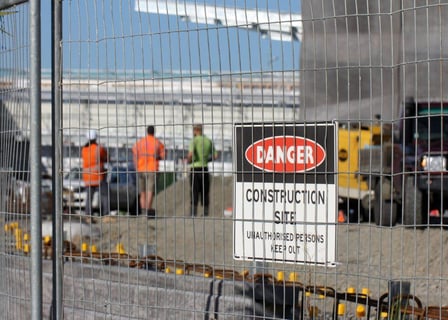
A construction site emergency action plan is a written procedure that explains how workers should respond to emergencies such as fires, explosions, severe weather, chemical exposure, or medical incidents.
According to OSHA, emergency action plans must cover evacuation routes, reporting procedures, and employee responsibilities during an emergency.
Key components include:
OSHA requires these plans under 29 CFR 1910.38 and expects them to be job-site specific.

Construction site emergency action plans directly affect payroll accuracy and compliance.
When emergencies happen, payroll teams must know:
Poor documentation after an emergency can lead to wage disputes, audit issues, and delays in public works reporting. A clear plan ensures time tracking, incident reporting, and payroll adjustments stay aligned.

Step 1: Identify regulatory requirements
OSHA requires emergency action plans for most worksites. State plans may add stricter rules. Review both federal and state standards before drafting.
Step 2: Define employee roles clearly
Supervisors, foremen, and safety officers must know who reports incidents, who leads evacuations, and who documents time and attendance changes.
Step 3: Align payroll procedures with emergency scenarios
Define how paid time, unpaid time, and standby time are handled during emergencies. This matters for prevailing wage and certified payroll projects.
Step 4: Train workers and payroll staff
Employees must know evacuation procedures. Payroll teams must understand how emergencies affect timecards, job codes, and compliance reports.
Step 5: Document and store records
Maintain emergency logs, evacuation records, and payroll adjustments in case of audits or investigations.
Watch our webinar featuring the latest payroll and labor law updates. Whether you’re an office admin juggling year-end tasks, a payroll manager staying on top of compliance, or a construction manager planning multi-state projects, this session is for you.
These mistakes often surface during audits or after serious incidents.
Review your current construction site emergency action plans and confirm they:
Modern construction payroll systems can help connect emergency documentation with accurate time tracking and reporting. Tools like eBacon help teams reduce errors by aligning compliance workflows with real jobsite events.
Construction site emergency action plans protect lives, support compliance, and prevent payroll errors. When safety planning and payroll processes work together, construction teams are better prepared for emergencies and audits alike.
See how eBacon simplifies construction site emergency action plans and payroll compliance. Book a quick demo.

Yes. OSHA requires written emergency action plans unless the employer has 10 or fewer employees and communicates the plan verbally.
The employer is responsible, but site supervisors and safety officers must enforce and maintain the plan.
Yes. Emergency downtime and paid evacuations must be documented correctly to support certified payroll accuracy.
Plans should be reviewed whenever jobsite conditions change and at least annually.
The material presented here is educational in nature and is not intended to be, nor should be relied upon, as legal or financial advice. Please consult with an attorney or financial professional for advice.
.jpg?width=153&height=191&name=HensleysPaving-thumb%201%20(1).jpg)
