
Advantages Checklist
eBacon's exclusive bona fide fringe trust is a proven money saving $$$ solution! See all the advantages...

Integrations
Supported Accounting Packages
API
Free Construction Self-Check
Benchmark your business compared to the best-in-class methods… in certified payroll, field operations and more. You get a score with specific insights on what to fix first and why it matters.
Actionable Insights + Smart Solutions


No. Using 1099 employees for certified payroll does not change what you owe or what you report. Under the Davis-Bacon Act, anyone doing the work of a laborer or mechanic on a covered project must be paid the prevailing wage and listed on certified payroll, even if a contract calls them an independent contractor.
Tax status and labor status are separate tests, and mixing them up is how workers go missing from the Form WH-347.

A 1099 worker is someone a business pays as an independent contractor instead of an employee, so no taxes are withheld from their pay. On a prevailing wage job, that tax label does not decide coverage. Federal rules cover laborers and mechanics “regardless of any contractual relationship” with the contractor. What counts is the work done on the site.
The biggest myth is that a 1099 keeps a worker off certified payroll.
No, a signed agreement does not change Davis-Bacon coverage. Please ensure anyone doing manual or trade work on the site is on the certified payroll.

No, the two tests answer different questions. The IRS looks at behavioral control, financial control, and the relationship of the parties for tax purposes. Davis-Bacon asks whether the person works as a laborer or mechanic on a covered project, so a worker can pass the IRS test and still belong on certified payroll.
They don’t. The prevailing wage includes both the base hourly rate and the fringe amount on the wage determination. If the worker isn’t in a bona fide benefit plan, the fringe is paid as cash on top of the base rate.
Usually no. HUD and many state and local agencies don’t let self-employed laborers or mechanics certify their own wages, so the hiring contractor reports them.

Only a few narrow exceptions allow a listing without hours and rates, and none of them depend on a 1099. Confirm any exception with your agency first.
State prevailing wage laws can be stricter than federal rules, so check the rules for the state where the job is.
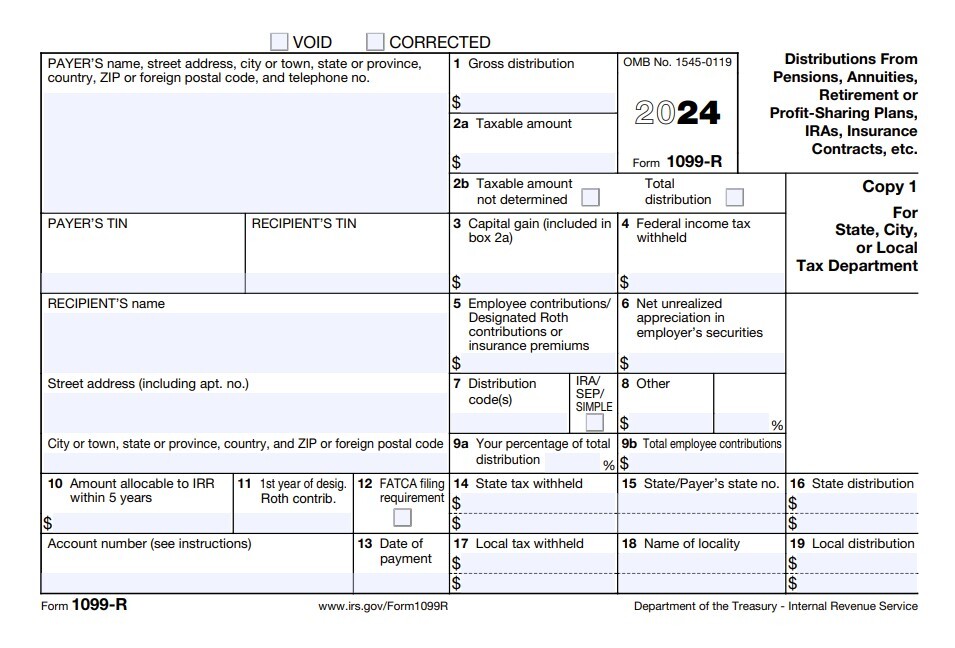
A 1099 mistake usually shows up as a worker who did covered work but never made it onto certified payroll. Say a finish carpenter is paid a flat day rate on a 1099, with no hours tracked by classification, no fringe paid, and no line on the WH-347.
The contractor can then face:
The IRS can also hold the business liable for employment taxes when it treats an employee as a contractor with no reasonable basis.
List every person doing manual or trade work on the site, then pay and report each one by classification.
eBacon generates the WH-347 and state-specific certified payroll reports with one click from your payroll data, so every worker you track lands on the report with the correct prevailing wage information. The eBacon Certified Payroll Reporting page lists the federal and state reports it supports.
Settle each worker’s status before the first day on site. Ask every subcontractor and 1099 worker what work they’ll do, check it against the wage determination, and decide who reports them before the first payroll goes out.
eBacon is the only construction-focused platform featuring certified payroll with a money-saving fringe trust. All-in-one software with scheduling, GPS-enabled time tracking, safety system, and inventory management for contractors with 15 to 500 employees.
Take an eBacon product tour to see how eBacon builds the WH-347 and state-certified payroll reports for every worker on your public works jobs.

Yes, if they do the work of a laborer or mechanic on a covered project. They’re owed the full base rate and fringe for their classification, the same as a W-2 worker.
Yes, and you must if they do covered work. List them with their classification, hours, and pay on the WH-347 or another form that collects the same information.
No, the DOL owner-operator position covers trucks only. Someone who brings their own backhoe or loader and runs it on the site is paid the prevailing wage and reported in full.
No, a subcontractor is a separate business that files its own certified payroll for its employees. A single 1099 worker doing manual work is reported on the hiring contractor’s payroll.
The contractor can owe back wages and fringe, have contract payments withheld, and face debarment for up to three years for willful violations. The IRS may also assess employment taxes.
The material presented here is educational in nature and is not intended to be, nor should be relied upon, as legal or financial advice. Please consult with an attorney or financial professional for advice.